 blog
blog
Best Lash Cluster Glue for Sensitive Eyes: A Beginner's Guide
Table of Contents
- What Makes Lash Cluster Glue Safe for Sensitive Eyes
- Key Ingredients to Look for and Avoid
- How to Perform a Patch Test Before Full Application
- How Long Do Cluster Lashes Last with Sensitive Glue
- Best Tools for DIY Lash Application and Safe Removal
- Application Techniques to Prevent Irritation
- Troubleshooting Allergic Reactions and Red Eyes
- Frequently Asked Questions
Last Updated: September 30, 2026
What Makes Lash Cluster Glue Safe for Sensitive Eyes
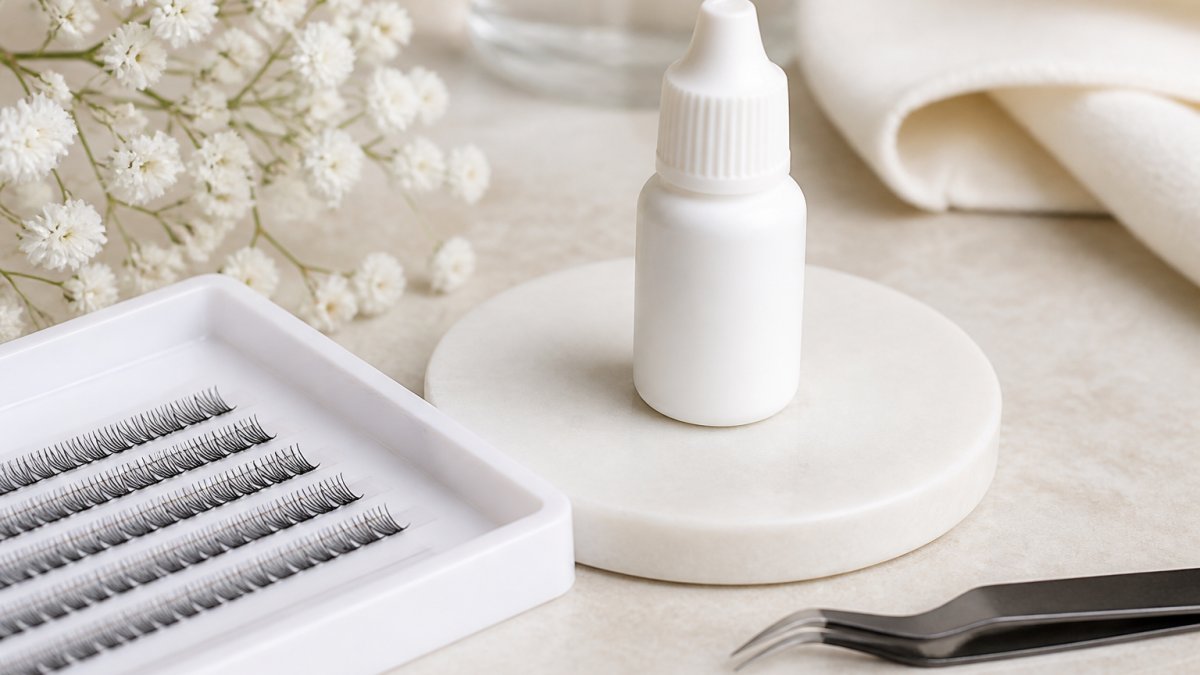
Choosing the best lash cluster glue for sensitive eyes starts with understanding what makes certain formulas gentler on delicate eye areas. Sensitivity doesn't mean you have to skip cluster lashes, it means being intentional about ingredient selection and application technique.
Safe lash cluster glue for sensitive eyes typically contains fewer irritants and avoids harsh chemicals that trigger redness, watering, or discomfort. The key is finding formulas that are latex-free, formaldehyde-free, and low-fume. These characteristics matter because they reduce the chemical exposure that causes reactions in sensitive individuals.
When you apply cluster lashes near the delicate eye area, the adhesive sits close to the eyelid margin and tear film. Even small amounts of irritating compounds can cause noticeable discomfort. A quality formula designed for sensitive skin creates a strong bond without the chemical assault.
The best lash cluster glue for sensitive eyes also cures properly without excessive fumes. Curing time matters, formulas that dry too quickly can release stronger fumes, while those that take too long keep irritants active longer. Look for adhesives that reach full cure with minimal odor during application.
Key Ingredients to Look for and Avoid
Understanding what's inside your lash glue helps you to make safer choices. The primary active ingredient in most lash adhesives is cyanoacrylate, a fast-bonding compound that creates the adhesive strength you need. However, the quality and purity of this ingredient varies significantly between products.
Ingredients to prioritize:
- Cyanoacrylate (the bonding agent, look for medical-grade formulations)
- Hydroquinone (stabilizer that prevents premature curing)
- Carbon black (colorant that helps visibility during application)
- Aloe vera or chamomile extracts (soothing agents)
Ingredients to avoid at all costs:
- Latex (common allergen that triggers reactions in sensitive individuals)
- Formaldehyde (harsh preservative linked to eye irritation and redness)
- Benzoyl peroxide (oxidizing agent that can irritate sensitive tissues)
- Fragrance or essential oils (unnecessary additives that increase irritation risk)
- Para-phenylenediamine (PPD), sometimes used in pigments, known allergen
FDA guidance on cosmetic safety standards outlines that adhesives used near eyes must meet specific purity requirements. Formaldehyde-free formulations are particularly important because formaldehyde releases over time, meaning irritation can develop days after application rather than immediately.
Many budget adhesives cut costs by including fillers and lower-grade cyanoacrylate. These often contain residual chemicals that trigger sensitivity. Premium formulas invest in purification processes that remove these irritants.
How to Perform a Patch Test Before Full Application
A patch test is your first line of defense against allergic reactions and irritation. This simple 24-48 hour screening catches problems before they affect your visible lash line. Skipping this step is how most people end up with red, uncomfortable eyes.
Here's the step-by-step process:
Step 1: Choose your test location (Time: 1 minute) Apply a tiny drop of adhesive to clean skin behind your ear or on your inner arm, areas away from your face where reactions won't be immediately visible if they occur. These areas have similar sensitivity to your eyelid but give you privacy during the test window.
Step 2: Apply the adhesive (Time: 2 minutes) Use a clean applicator or cotton swab to place a small drop (roughly the size of a pinhead) directly on the skin. Don't rub it in, let it sit on the surface as it would during lash application. Wait for it to cure fully according to the product instructions, usually 30-60 seconds.
Step 3: Monitor for 24-48 hours (Time: passive observation) Check the test area every few hours for redness, swelling, itching, or burning. Take a photo at the 24-hour mark so you can compare any changes. Most reactions appear within the first 12 hours, but some delayed sensitivities emerge over 48 hours.
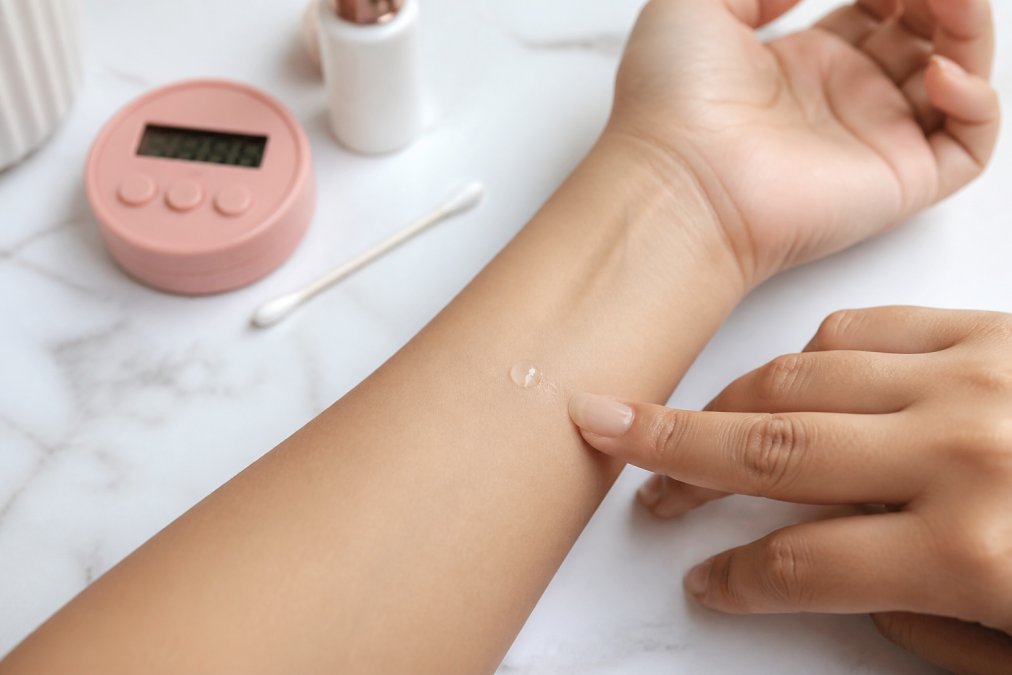
Step 4: Evaluate your results (Time: 2 minutes) If the test area shows no redness, swelling, or irritation after 48 hours, you're likely safe to proceed with a full application. If you see any reaction, even mild redness, do not use this product on your lashes. Switch to a different formula and repeat the patch test.
How Long Do Cluster Lashes Last with Sensitive Glue
Retention, how long cluster lashes stay bonded to your natural lashes, is a common concern, especially when using gentler formulas designed for sensitive eyes. Many people worry that choosing a safer adhesive means sacrificing longevity.
The reality is more nuanced. Quality sensitive-friendly adhesives provide solid retention when applied correctly, typically lasting 2-4 weeks before noticeable shedding begins.
Factors that shorten retention with sensitive glue:
- Oil buildup on the lash band (most common culprit)
- Rubbing or touching the lashes frequently
- Exposure to steam, humidity, or water in the first 48 hours post-application
- Poor natural lash health or breakage
- Incorrect cluster placement on the lash
Best Tools for DIY Lash Application and Safe Removal
Applying cluster lashes safely at home requires the right tools. Quality equipment makes the difference between a professional-looking result and a frustrating experience that damages your natural lashes.
Essential tools for application:
- Precision tweezers (angled or straight, depending on preference) for cluster placement
- Lash mapping stencil or guide for even spacing
- Magnifying mirror or LED ring light for visibility
- Lash comb or spoolie to separate natural lashes before application
- Cotton pads or lint-free wipes for removing excess adhesive
- Lash primer or oil-control product to prep the lash band
For safe removal:
- Lash extension remover (cream or gel formula, never acetone-based)
- Lint-free cotton pads or soft brushes
- Gentle cleansing oil (coconut or jojoba oil works)
- Warm compress or steam to soften the adhesive bond
Application Techniques to Prevent Irritation
How you apply cluster lashes matters as much as which glue you choose. Poor technique causes irritation even with gentle formulas, while proper technique minimizes irritation regardless of the product.
- Isolate a single natural lash using your tweezers
- Apply a small dot of adhesive to the cluster's lash band (not to your natural lash directly)
- Place the cluster at the base of your isolated natural lash, holding steady for 5-10 seconds
- Seal the bond by applying a tiny amount of fresh adhesive to the joint where the cluster meets your natural lash, creating a second contact point
Troubleshooting Allergic Reactions and Red Eyes
Early signs of allergic reaction:
- Mild redness around the lash line that appears within hours of application
- Itching or burning sensation that increases throughout the day
- Slight swelling of the eyelid
- Watery eyes or excessive tearing
Severe reaction warning signs (remove lashes immediately):
- Significant swelling that affects vision
- Intense burning or pain
- Hives or rash spreading beyond the lash line
- Difficulty opening your eye
For mild reactions, the culprit might not be the adhesive itself. Common triggers include:
- Lash band material (synthetic vs. human hair)
- Cluster placement too close to the eyelid
- Adhesive residue on the skin rather than just the lash band
- Individual sensitivity to the specific cyanoacrylate formulation
Patch testing a new formulation after a reaction is crucial. Wait at least one week after the reaction resolves, then patch test the new product before full application. Your eyes may need time to recover before tolerating any adhesive.
| Consideration | What to Look For | Why It Matters |
|---|---|---|
| Ingredient safety | Latex-free, formaldehyde-free, low-fume formulas | Reduces irritation and allergic reactions |
| Patch testing | 24-48 hour test on arm or behind ear | Catches reactions before affecting visible lash line |
| Application distance | 1-2mm from eyelid margin | Prevents adhesive contact with tear film and skin |
| Bond technique | Two-point bond-and-seal method | Distributes stress and prevents natural lash damage |
| Retention timeline | 2-4 weeks with proper application | Normal shedding pattern for cluster lashes |
| Removal method | Gentle remover, never pulling or peeling | Protects natural lash integrity |
Frequently Asked Questions
What ingredients should I avoid in lash cluster glue if I have sensitive eyes?
Avoid glues containing formaldehyde, latex, and strong fumes. Look for formaldehyde-free, latex-free options labeled as hypoallergenic. Cyanoacrylate-based adhesives with low-fume formulations are gentler on sensitive skin. Check product labels for fragrance-free and oil-resistant properties, which reduce irritation risk. Always perform a patch test before applying to your lash line.
How do I know if I'm allergic to lash glue?
Signs of allergic reaction include redness, itching, swelling, or watering around the eye area within 24-48 hours of application. Some people experience mild irritation that fades, while true allergies cause persistent discomfort. Perform a patch test on your inner arm 24-48 hours before full application. If redness or itching develops, do not apply the glue to your lash line. Discontinue use if symptoms appear after application and remove the lashes immediately.
How long do cluster lashes last with sensitive glue?
Cluster lashes typically last 2-4 weeks with sensitive-formula glue, depending on your natural lash cycle and daily habits. Proper application technique and avoiding oil-based products near the lash line can extend wear time. If lashes fall out within 2 days, check your application technique and ensure the glue fully cured before blinking.
Can I wear cluster lashes if I have very sensitive eyes?
Yes, but take precautions. Use only hypoallergenic, formaldehyde-free, latex-free glue specifically designed for sensitive skin. Always perform a patch test first. Apply glue sparingly to avoid excess fume exposure. Keep your lash line clean and avoid touching your eyes during the curing period. If you experience persistent irritation, redness, or swelling, remove the lashes and consult a healthcare provider. Starting with shorter wear times (a few hours) helps you gauge your tolerance.